Table of Contents
- Introduction to GDPR and IP Tracking
- Legal Basis for IP Address Processing
- Data Protection Requirements
- Obtaining Valid Consent
- Documentation and Records
- International Data Transfers
- Best Practices and Implementation
- Compliance Checklist
Introduction to GDPR and IP Tracking
IP Tracking Process Flow
Interactive Flow Diagram
Under the General Data Protection Regulation (GDPR), IP addresses are considered personal data. This guide explains how to implement IP tracking while maintaining GDPR compliance.
Legal Basis for IP Address Processing
To process IP addresses under GDPR, you need one of these legal bases:
- Consent from the data subject
- Contractual necessity
- Legal obligation
- Vital interests
- Public interest
- Legitimate interests
Data Protection Requirements
GDPR mandates specific data protection measures:
- Data minimization
- Purpose limitation
- Storage limitation
- Accuracy
- Integrity and confidentiality
- Accountability
Obtaining Valid Consent
Valid consent under GDPR must be:
- Freely given
- Specific
- Informed
- Unambiguous
- Demonstrable
- Easy to withdraw
Documentation and Records
Required documentation for GDPR compliance
- Records of processing activities
- Privacy notices
- Consent records
- Data protection impact assessments
- Data breach response plans
International Data Transfers
When transferring IP data outside the EU:
- Standard contractual clauses
- Binding corporate rules
- Adequacy decisions
- Specific derogations
Best Practices and Implementation
Implement these best practices for GDPR compliance
- IP address anonymization
- Regular compliance audits
- Staff training programs
- Data protection by design
- Regular policy reviews
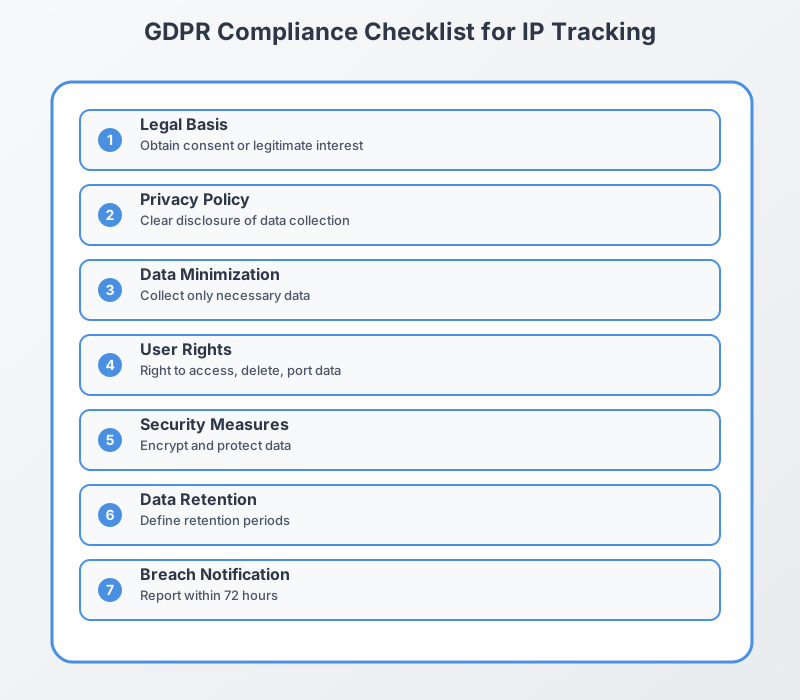
Compliance Checklist
GDPR Compliance Checklist for IP Tracking
Important: This article provides general guidance and should not be considered legal advice. Consult with legal professionals for specific compliance requirements.